Drought Concerns Increase as El Nino Intensifies: Caribbean Urged to Prepare for Hotter, Drier Conditions
The UWI Regional Headquarters, Jamaica W.I. Tuesday, August 25, 2026— The University of the West Indies Climate Studies Group Mona (UWI CSGM) and the Caribbean Institute of Meteorology and Hydrology (CIMH) are urging governments, businesses, farmers, and households to ramp up preparedness efforts for potentially severe climate extremes as El Niño is expected to further strengthen, intensifying the hot, dry conditions being experienced in many parts of the region. The region must be particularly vigilant regarding extreme heat as August to October marks the peak of the Heat Season. Unseasonably dry conditions during this period are particularly concerning given that the region will enter its climatological Dry Season around November. Forecasts suggest that these dry conditions will extend into 2027, while potentially record-breaking heat may ensue from March, April or May during next year’s Heat Season.
Dr Cedric Van Meerbeeck, Climatologist at CIMH, reported that since around May 2026, El Niño conditions in the Pacific rapidly strengthened from weak to moderate by July. The latest monitoring information reveals rapid further intensification of these conditions and highly confident forecasts predict very strong El Niño conditions during October to December 2026. These El Niño conditions are highly likely to persist into the peak of the Caribbean Dry Season, in March 2027.
Dr Van Meerbeeck continues to warn that, historically, El Niño is linked to severe droughts—such as those in 2009–2010 and 2014–2016—and also increases the risk of extreme humid heat, wildfires, and marine heatwaves that can trigger coral bleaching. He reminds that similar combined impacts were also observed during the record heat years of 2010, 2023, and 2024. Areas already experiencing drought, particularly in the Eastern Caribbean, may see slower recovery of water resources during the peak of the Wet Season between September and October/November 2026. With rapid El Niño intensification since May, such impacts are highly likely to evolve in the region.
El Niño is typically associated with quieter Atlantic Hurricane Seasons. This pattern has been evident during the 2026 Hurricane Season thus far, with a quiet start apart from three weak and short-lived named storms in the Gulf of Mexico and one in the North Atlantic far from any landmass. In its early-August update, CIMH’s 2026 Atlantic Hurricane Season Activity Outlook found strong evidence that the remainder of the season may see fewer storms than an average year. Dr Van Meerbeeck, however, stresses that risk remains, as a single major hurricane or intense rainfall event can cause significant loss and damage. This was demonstrated in 2015, when Tropical Storm Erika, considered one of the worst natural disasters in Dominica’s history, caused major flooding and landslides across the island, even though the storm did not make direct landfall.
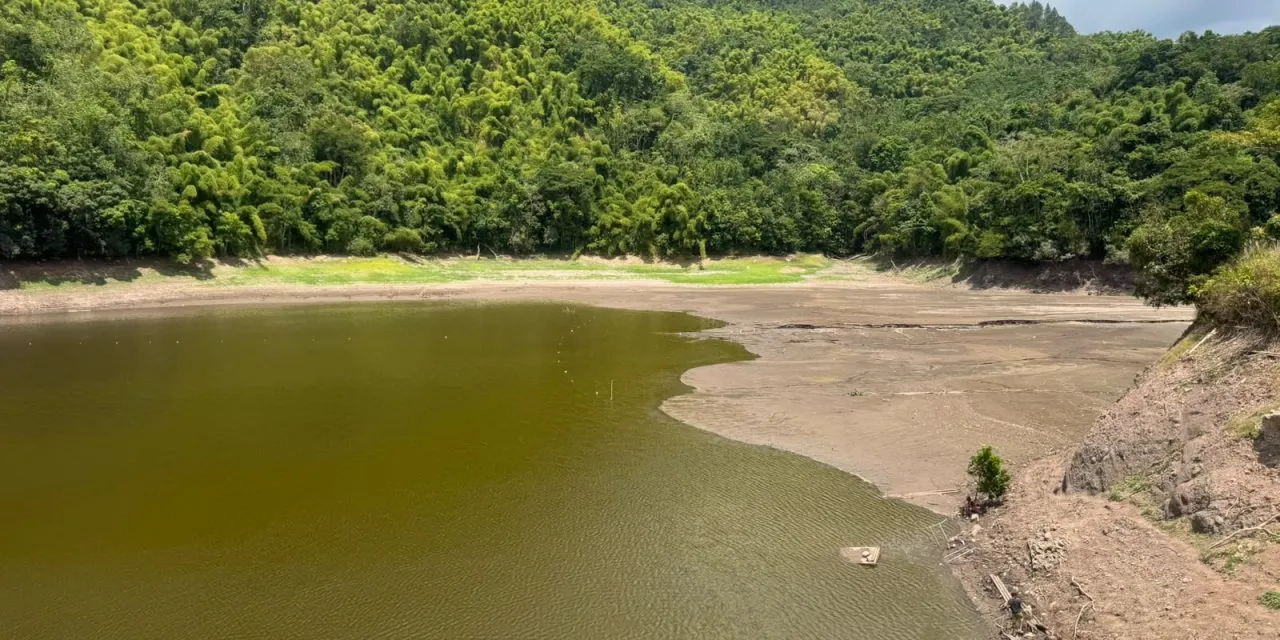
The forecast continues to show a broadening area of below-normal rainfall from the Guianas in the south, across the Lesser Antilles, and into the Greater Antilles through at least October. This is expected to be accompanied by a significant increase in the number of days experiencing hot spells. The combined effect of reduced rainfall and increased evaporation rates will likely lead to drought conditions over most of the Windwards, Leeward, and ABC Islands; portions of the Greater Antilles, including parts of Jamaica and Hispaniola; and portions of The Bahamas by October/November 2026. These conditions would likely extend into early 2027 and expand across the Caribbean, with accumulated water deficits and wildfires becoming a greater concern in the early months of 2027.
“The risks signalled by the science earlier this year are now beginning to materialise,” said Professor Michael Taylor, Co-Director of UWI CSGM. “We are seeing an emerging climate disaster whose impacts combine heat, drought, and marine extremes. Unlike a hurricane, the impacts will continue to build over months. However, that should not lessen the urgency or scale of our preparations. We must respond to the unfolding slow-moving crisis with the seriousness we bring to other major climate threats, since what we do now determines the options available to us later.”
Reduced rainfall combined with elevated temperatures can lead to agricultural losses without appropriate interventions, affecting food security and rural livelihoods, especially for subsistence farmers – particularly with rainfed agriculture in areas where more dry spells are being forecast, a particular concern for Belize and Jamaica. Health risks may also increase, particularly in relation to water quality and availability, vector-borne diseases, and heat-related illnesses. Water and energy systems may come under strain, as demand for cooling increases, especially in countries that rely on hydroelectric power or freshwater-cooled energy production. These pressures may also affect the tourism sector, where demand for cooling and freshwater is high, and visitors and workers are more exposed to prolonged heat and dry conditions.
Given the region’s reliance on imports, global disruptions associated with the El Niño can affect trade, logistics, and the procurement of goods and services. Governments are strongly urged to assess risks to supply chains, transportation networks, and key trade routes. For example, recent drought events have disrupted operations at the Panama Canal, a major transit point for goods entering the region and ports along the east coast of the USA. Further, food production in some traditional source markets for the region may be impacted. These disruptions can undermine regional food security and raise the cost of living.
Dr Van Meerbeeck continues to encourage decision-makers and the public to follow the monthly updates from the Caribbean Climate Outlook Forum (CariCOF) as the Wet Season continues. These outlooks provide critical information on rainfall, drought, heat, and other climate conditions, helping governments, businesses and communities prepare for emerging risks. Attention should be paid to projected rainfall patterns as the region approaches the Dry Season and transitions into the peak of the Heat Season.
Principal of the CIMH, Dr David Farrell reiterates the importance of timely, actionable climate information in supporting decision-making across the region, noting that “Proactive measures are vital for mitigating the impacts of extreme weather events on climate-sensitive sectors, communities, and national economies.”