UWI’s Prof. Sonjah Stanley Niaah Appointed to Global Expert Panel on Restitution of Cultural Heritage
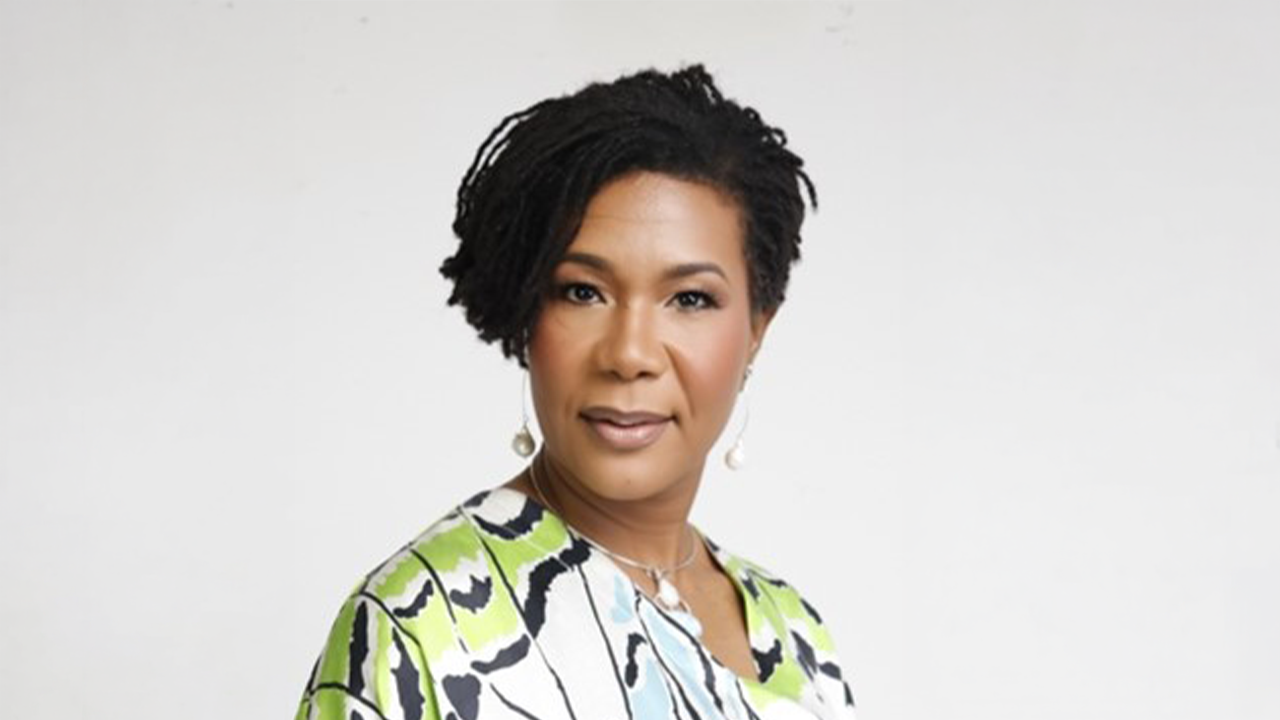
The UWI Regional Headquarters, Jamaica W.I., Wednesday, August 19, 2026—The University of the West Indies (The UWI) proudly announces the appointment of Sonjah Stanley Niaah, renowned Scholar and Professor of Cultural Studies, Director of the Centre for Reparation Research and Interim Director of the Indigenous and Maroon Studies Institute at The UWI, to the distinguished panel on Restitution of Cultural Heritage.
The groundbreaking panel was established following the High-Level Consultative Conference on the Next Steps to the United Nations Resolution on the Trafficking of Enslaved Africans, held in Accra, Ghana, in June 2026. It marks a bold step toward reparatory justice and restoring Africa’s cultural heritage.
The initiative draws momentum from UN General Assembly Resolution (A/RES/80/250), which declared the trafficking of enslaved Africans and racialised chattel enslavement of Africans as the gravest crime against humanity. The panel also builds on recent high-level discussions between His Excellency John Dramani Mahama, President of the Republic of Ghana, and Professor Sir Hilary Beckles, Vice-Chancellor of The UWI, during the Presidential Visit to The UWI Regional Headquarters in Jamaica earlier this month.
Commenting on her appointment, Professor Stanley Niaah said, “I am standing squarely within my purpose to make a difference in the lives of people of African descent through a life of service in education, research, and activism, from which we can see real change. I am honoured to be invited to serve in this global capacity for restitution of cultural heritage, a reparatory justice issue which is very close to my heart.”
The inaugural gathering of global experts will convene on August 20, 2026. Professor Stanley Niaah joins a distinguished assembly of 11 global experts, representing diverse fields and nations across Africa and the African diaspora, including Egypt, Peru, Ghana, Nigeria, South Africa, Senegal, Benin, Mauritius, and the United States of America. United in purpose, they will offer strategic and policy guidance to drive forward structured, timely, and accountable processes for the restitution of cultural heritage.
The Panel is tasked with spearheading a comprehensive programme of action, expanding global databases to trace cultural artefacts held overseas and crafting standardised frameworks for restitution claims by original states and institutions, setting clear and achievable timelines for phased returns, and ensuring transparency and accountability, while empowering countries to strengthen museums, archives, and cultural institutions to receive, preserve, and interpret returned artefacts. At the same time, the Panel aims to elevate restitution as a pivotal issue in international diplomacy, cultural collaboration, and global justice, shifting from symbolic acts to meaningful, large-scale repatriation.
Professor Stanley Niaah is a leading Caribbean intellectual whose influential work in cultural studies has propelled regional and global dialogues on heritage, identity, and justice. Her distinguished career seamlessly weaves together scholarship, advocacy, and leadership. As Director of the Centre for Reparation Research and Interim Director of the Indigenous and Maroon Studies Institute, she champions reparatory justice, cultural sovereignty, and indigenous heritage. Professor Stanley Niaah also serves as Editor of the Journal of Caribbean Sound & Music Cultures, a trailblazing publication devoted to Caribbean expressive cultures. Her international impact is further highlighted by her role as Jamaica’s Representative and Member of the International Scientific Committee of UNESCO’s Routes of Enslaved Peoples Project, where she helps document and elevate the histories and legacies of enslaved Africans worldwide.
Her appointment reflects the international esteem for her expertise and the profound impact of her work on cultural sovereignty and reparatory justice. Through her extensive research, teaching, and public engagement, Professor Stanley Niaah has shaped the conversation around Caribbean cultural life and its significance in global heritage debates.
This appointment provides a strong regional voice on the international stage, ensuring that the unique heritage and interests of Caribbean communities are robustly represented and protected in global discussions and restitution processes. It also opens new opportunities for collaborative initiatives, access to resources, and enhanced cultural exchanges, supporting the growth and international recognition of local museums, institutions, and heritage practitioners. Professor Stanley Niaah’s involvement highlights The University of the West Indies’ leadership in championing cultural sovereignty, historical justice, and global reparatory initiatives. The UWI takes great pride in having one of its distinguished members contribute to this transformative global effort.