“No Small State is Safe”: Experts at UWI Vice-Chancellor’s Forum caution Cuba’s Crisis Tests Caribbean Solidarity

by July 9, 2026

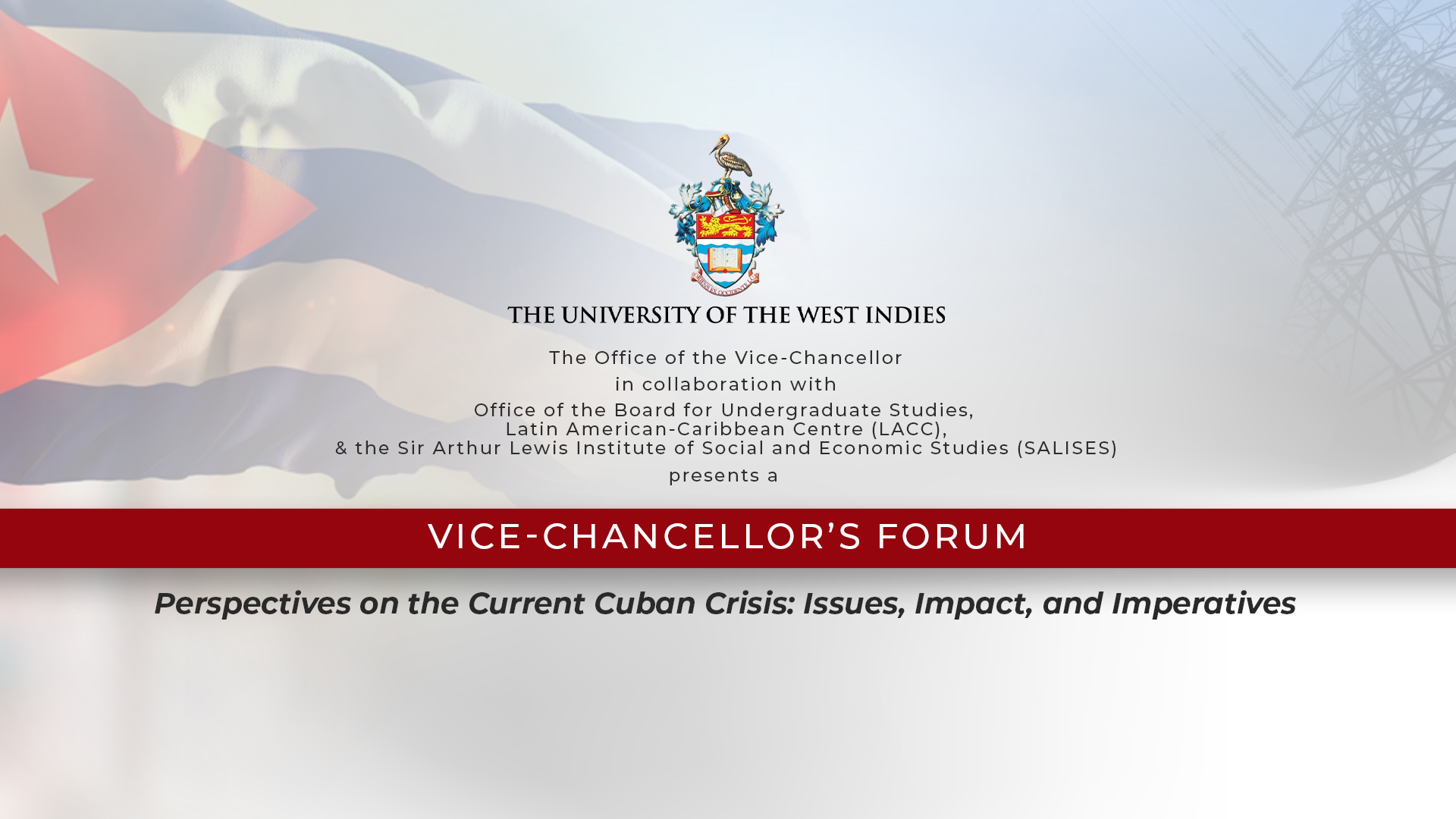
The UWI Regional Headquarters, Jamaica W.I., Wednesday, July 8, 2026— Cuba’s deepening crisis reflects broader shifts in the global order and is testing Caribbean solidarity, regional experts said at a Vice-Chancellor’s Forum hosted by The University of the West Indies (The UWI) on June 25.

The livestreamed event titled “Perspectives on the Current Cuban Crisis: Issues, Impact, and Imperatives” brought together diplomats, academics, and policy specialists to examine Cuba’s crisis, reforms, and regional implications. It was chaired by Ambassador Gillian Bristol, Director of the Latin American-Caribbean Centre (LACC), and co-moderated by Professor Canute S. Thompson, Pro Vice-Chancellor for Undergraduate Studies and Professor Don D. Marshall, University Director of the Sir Arthur Lewis Institute of Social and Economic Studies (SALISES).

In her opening remarks, Her Excellency Tania López Larroque, the Ambassador of Cuba to Jamaica, emphasised that the current situation must be understood in the context of over six decades of economic, commercial, and financial blockades imposed by the United States, which were intensified earlier this year. She rejected the portrayal of U.S. sanctions as support for the Cuban people and argued that these sanctions restrict access to food, fuel, medicine, and investment. The Ambassador called for stronger multilateral cooperation and respect for national sovereignty.

Bringing remarks on behalf of Vice-Chancellor Professor Sir Hilary Beckles, Professor Thompson highlighted The UWI’s commitment to addressing regional and global issues directly. He framed the forum as part of the University’s mandate to foster social transformation and economic development throughout the region. “We are not passive observers; we are activists,” he emphasised.

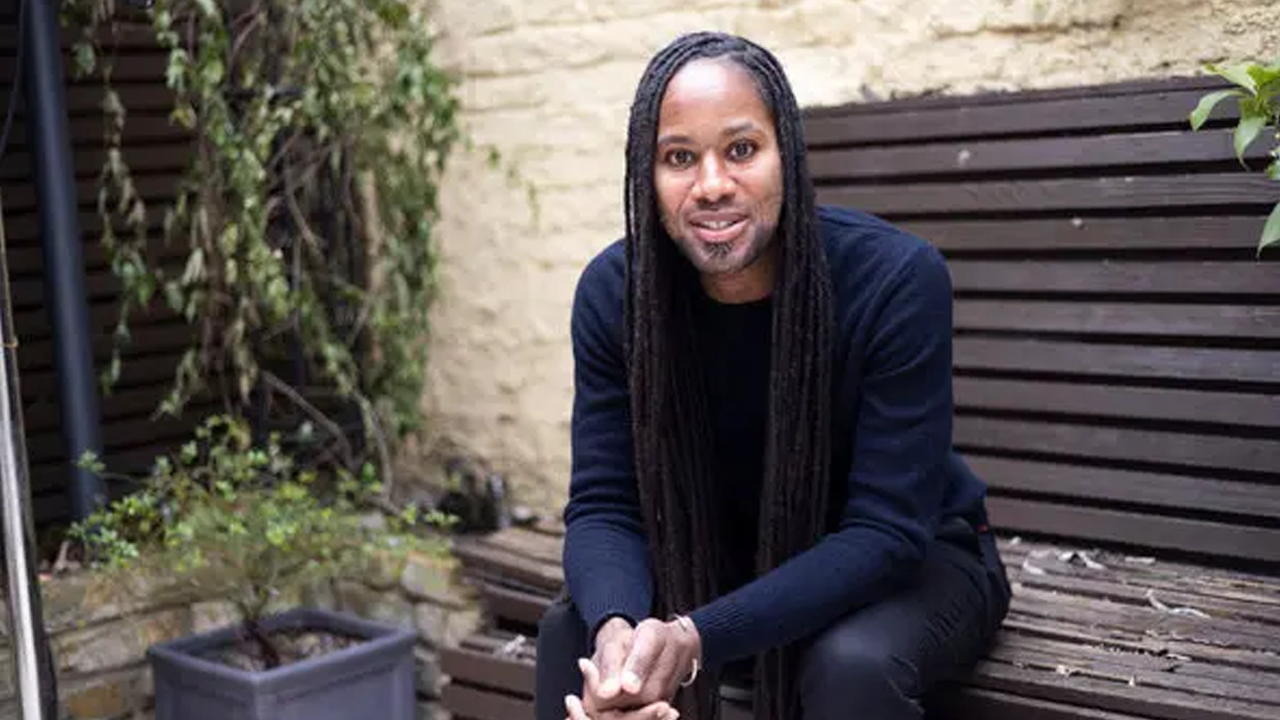
Expert panellist Professor Andy Knight, an International Relations expert born in Barbados and currently teaching at the University of Alberta, described the current period as an “interregnum” in which global norms are contested. He warned that erosion of sovereignty principles in Cuba could leave no small state secure. “If the principles of sovereignty and non-intervention are compromised… no small state can presume it will remain protected,” he said.

That argument found support across the panel. Joining the conversation from ground zero with a direct account of the toll the crisis is taking on ordinary Cubans, Dr Miriam Nicado, Rector of the University of Havana, said the crisis is “a strangling” of the country and highlighted disruptions in higher education, including electricity shortages that are affecting online learning. She pointed to the UWI-Havana Centre for Sustainable Development as a model for cooperation.

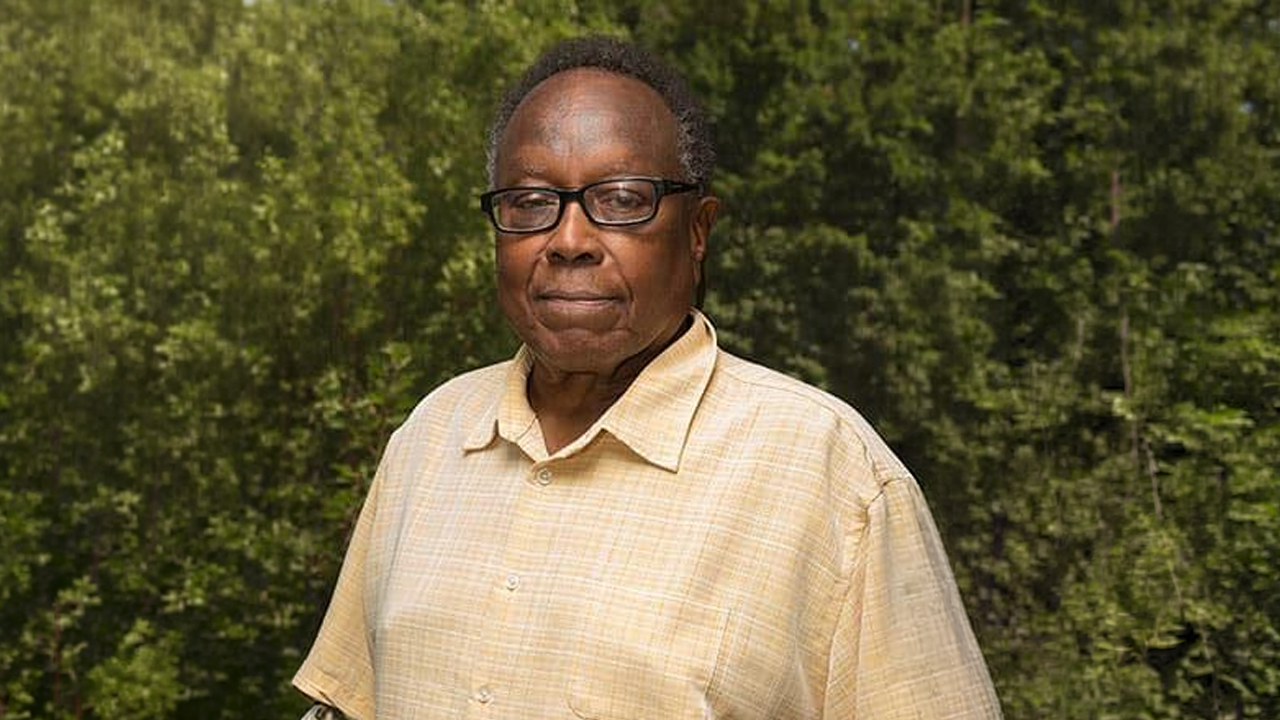
Professor Emerita Jessica Byron-Reid, former Head of the Institute of International Relations (IIR) at The UWI, traced more than five decades of cooperation between CARICOM and Cuba. Citing Cuba’s contribution to regional education and health, she said the region’s debt to Cuba can never be repaid and described the moment as an opportunity to return the goodwill.

Dr Indira Rampersad, Head of the Department of Political Science at The UWI St. Augustine, placed Cuba’s response in a broader analytical context, reviewing a package of 176 reforms aimed at introducing a more capitalist economic system alongside the country’s existing socialist political structure, a trajectory she compared to the paths taken by China and Vietnam.

Also commenting on the reforms, Professor Bert Hoffmann, Lead Researcher at the German Institute for Global and Area Studies (GIGA), called the measures the most comprehensive reform Cuba has attempted, with implementation made more difficult under the direst circumstances the country has faced. He cautioned, however, that reform alone will not resolve the crisis: without access to banking infrastructure and relief from the threat of sanctions, foreign investors have little incentive to commit capital, regardless of how far Cuba’s domestic reforms advance.

Professor Byron-Reid recommended that CARICOM focus on preserving the Caribbean as a zone of peace, protecting nationals in Cuba, providing humanitarian assistance, and supporting Cuba’s economic recovery. Professor Knight emphasised the need for CARICOM to speak clearly and boldly and resist old patterns of colonisation, stressing that addressing Cuba is essential for the Caribbean’s future. The discussion converged on a shared appeal: that the region cannot meet this moment with indifference.

The UWI is backing that appeal with action. The University’s “One-UWI Humanitarian Effort”, led by the School of Graduate Studies and Research, is mobilising staff, students, alumni and partners across all five campuses to make monetary contributions toward essential supplies for the people of Cuba until September 30. Members of the public can contribute to the One-UWI Humanitarian Effort via https://bit.ly/ONEUWI4CUBA.